
How to Start a Contemporary Art Collection
A practical guide to making your first serious acquisition
Unlike a Birkin carried down the street, a work of art may be seen mainly by you and the people invited into your home. Art collecting is a very private matter. It reflects who you are and what you value.
As an art advisor and occasional collector, I believe art is an extension of identity. A collection can hold beauty, memory, cultural history, curiosity, and financial value. But the strongest collections begin with learning what genuinely moves you.
A practical guide to making your first serious acquisition
Unlike a Birkin carried down the street, a work of art may be seen mainly by you and the people invited into your home. Art collecting is a very private matter. It reflects who you are and what you value.
As an art advisor and occasional collector, I believe art is an extension of identity. A collection can hold beauty, memory, cultural history, curiosity, and financial value. But the strongest collections begin with learning what genuinely moves you.
Collect with your Eyes not Ears
The most common mistake I see new collectors make is following a trend before developing their own point of view. They hear that an artist is important or that a market is rising, so they acquire a work without knowing whether they truly connect with it. Or if it is even a strong example of that artist’s practice.
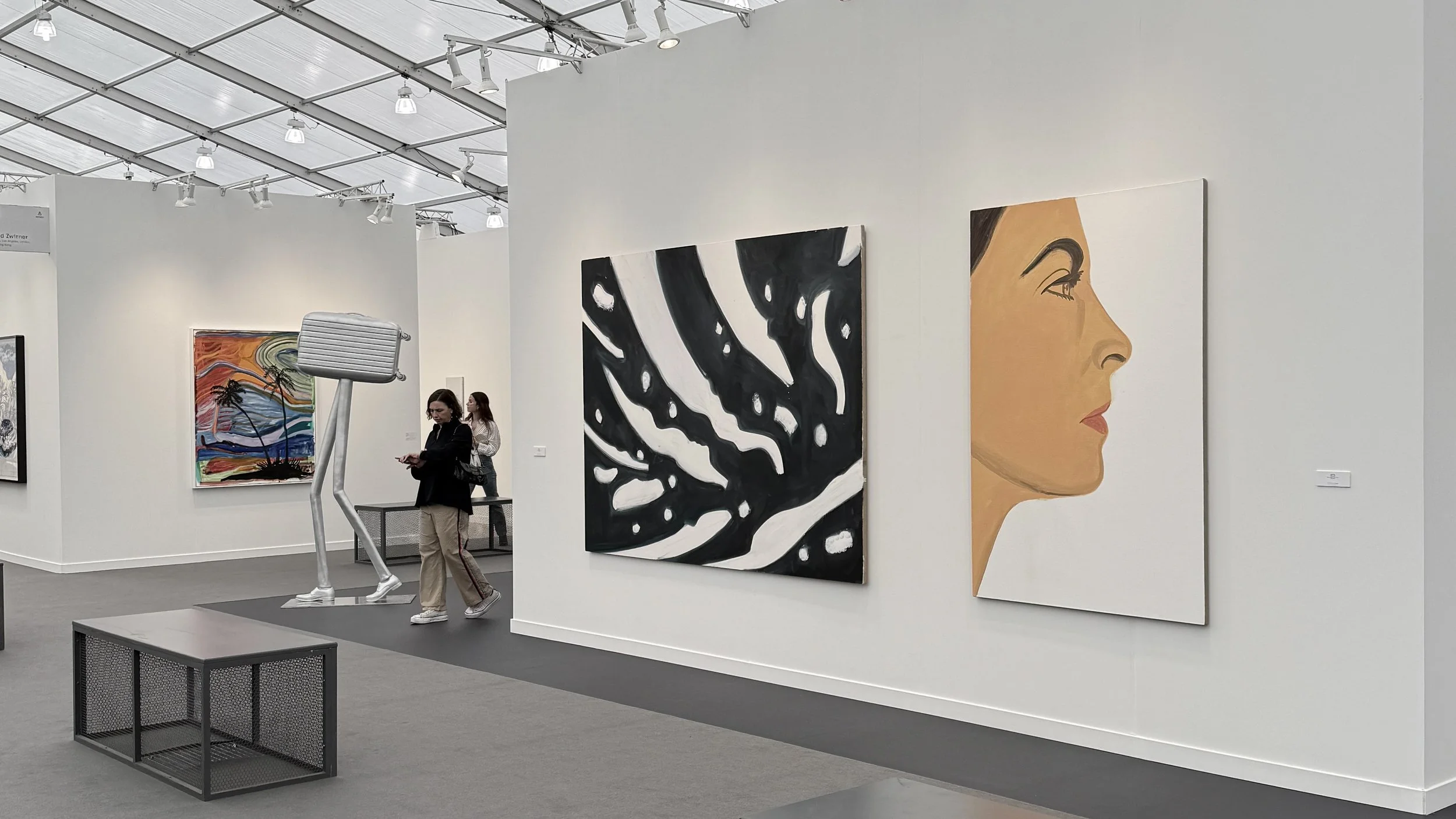
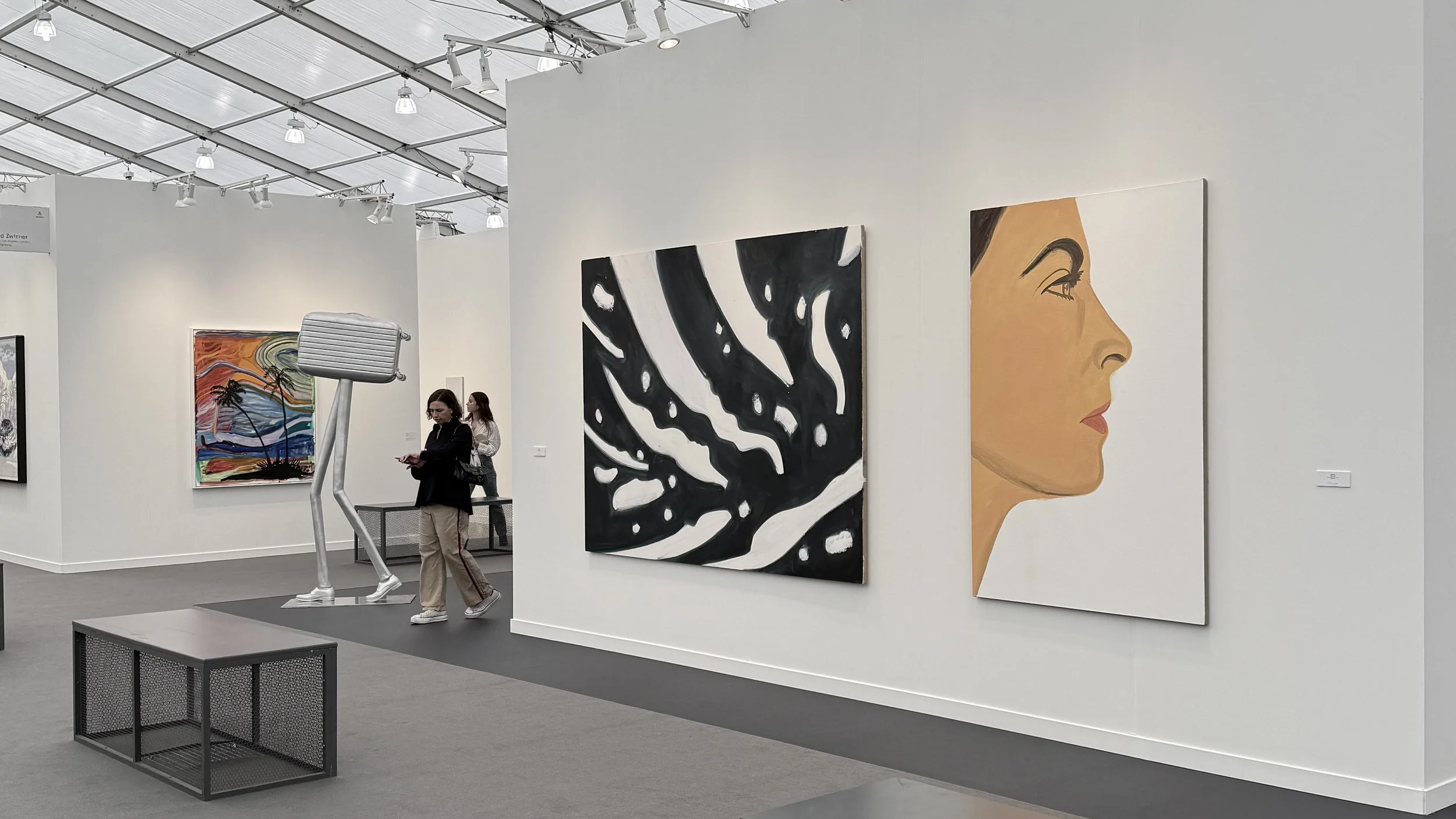
Visit museums, galleries, fairs, and studios. See as much as you can. Taste develops through looking, comparing, and asking why one work stays with you while another does not.
Evaluate the work—not just the name
Once you recognize your interests and style, set an annual budget and a loose collecting direction.
Then research both the artist and the specific work.
Compare it with other works from the same period or series. Consider whether it represents the artist well, how the price fits the market, and whether the scale and care requirements suit your home. Remember that taxes, framing, shipping, insurance, and installation are part of the acquisition cost.
Institutional exhibitions, curatorial attention, gallery representation, and market sentiment all provide useful context. But a respected name does not make every available work the right one.
Slow the decision down
Whenever possible, see the work in person. One of my clients was 95% ready to buy a painting, but we waited a month for it to arrive before deciding. That final 5% mattered: scale, surface, color, and presence cannot always be understood through a phone screen.
Collectors sometimes mistake urgency for conviction. If the right work is unavailable, stay open rather than buying a weaker example simply to secure the artist’s name. A collection plan should give you direction, not tunnel vision.
Where financial value belongs
Financial considerations belong in collecting, but they should not control the decision. I think of financial value as perhaps 15 to 20% of the process. The larger questions are whether you love the work, whether it represents the artist well, and whether it fits your collection and life. No one can guarantee future market performance.
Investment should remain on the table, not at the head of it.
Build something that belongs to you
A collection develops through attention, comparison, and patience. The objective is not to own the names everyone recognizes. It is to build something with your point of view, something that only belongs to you.
Frequently Asked Questions
-
Contemporary art collections can begin at many price levels. Trace Out Art typically works with collectors planning an initial artwork acquisition budget of at least $20,000. This provides enough flexibility to evaluate meaningful opportunities based on artistic quality, market position and long-term collection fit. Collectors should also budget separately for taxes, shipping, framing, insurance and installation.
-
Collectors can acquire art through galleries, art fairs, auctions and private sales. Galleries provide access to an artist’s primary market and insight into the development of their practice. Auctions and private sales offer works already in circulation, including pieces that may no longer be available through galleries. The right source depends on the artist, the specific artwork and your long-term collection strategy.
-
Evaluate the specific work it is best to :
Compare it with works from the same period, series, scale and medium. Gallery representation, institutional exhibitions, auction history, condition, provenance and market demand can all provide useful context. A fair price should reflect both the artist’s broader market and the quality of the individual artwork.
-
An art advisor can be valuable when you are making a significant first acquisition, developing a long-term collection, navigating unfamiliar galleries or auctions, or placing art within a home. A good advisor helps you research artists, evaluate works, understand pricing and coordinate transactions while keeping each acquisition aligned with your larger collecting goals. The purpose is not to replace your taste, but to help you make decisions with greater clarity and confidence.