
How to Start a Contemporary Art Collection
A practical guide to making your first serious acquisition
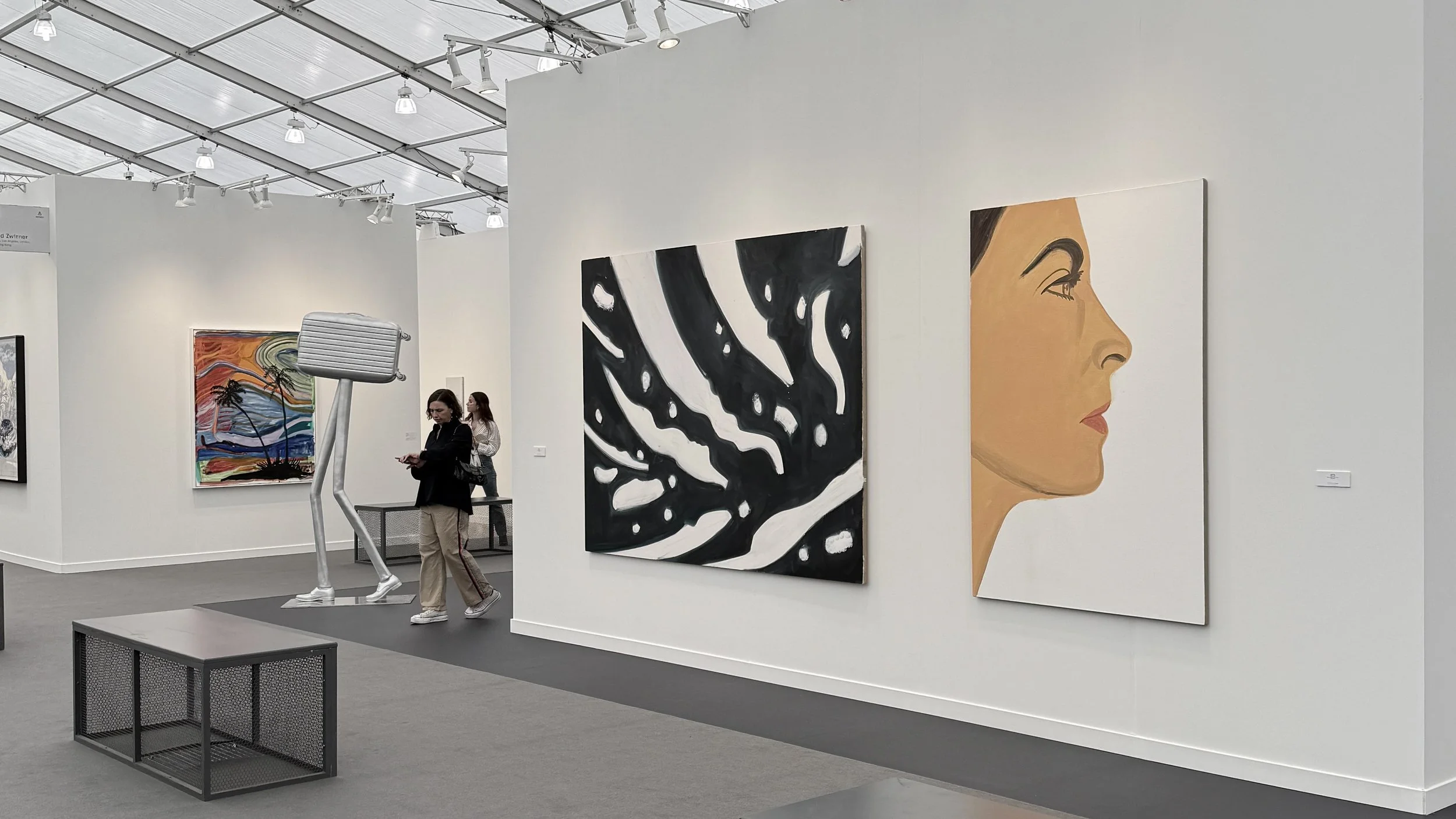
Unlike a Birkin carried down the street, a work of art may be seen mainly by you and the people invited into your home. Art collecting is a very private matter. It reflects who you are and what you value.
As an art advisor and occasional collector, I believe art is an extension of identity. A collection can hold beauty, memory, cultural history, curiosity, and financial value. But the strongest collections begin with learning what genuinely moves you.
A practical guide to making your first serious acquisition
Unlike a Birkin carried down the street, a work of art may be seen mainly by you and the people invited into your home. Art collecting is a very private matter. It reflects who you are and what you value.
As an art advisor and occasional collector, I believe art is an extension of identity. A collection can hold beauty, memory, cultural history, curiosity, and financial value. But the strongest collections begin with learning what genuinely moves you.
Collect with your Eyes not Ears
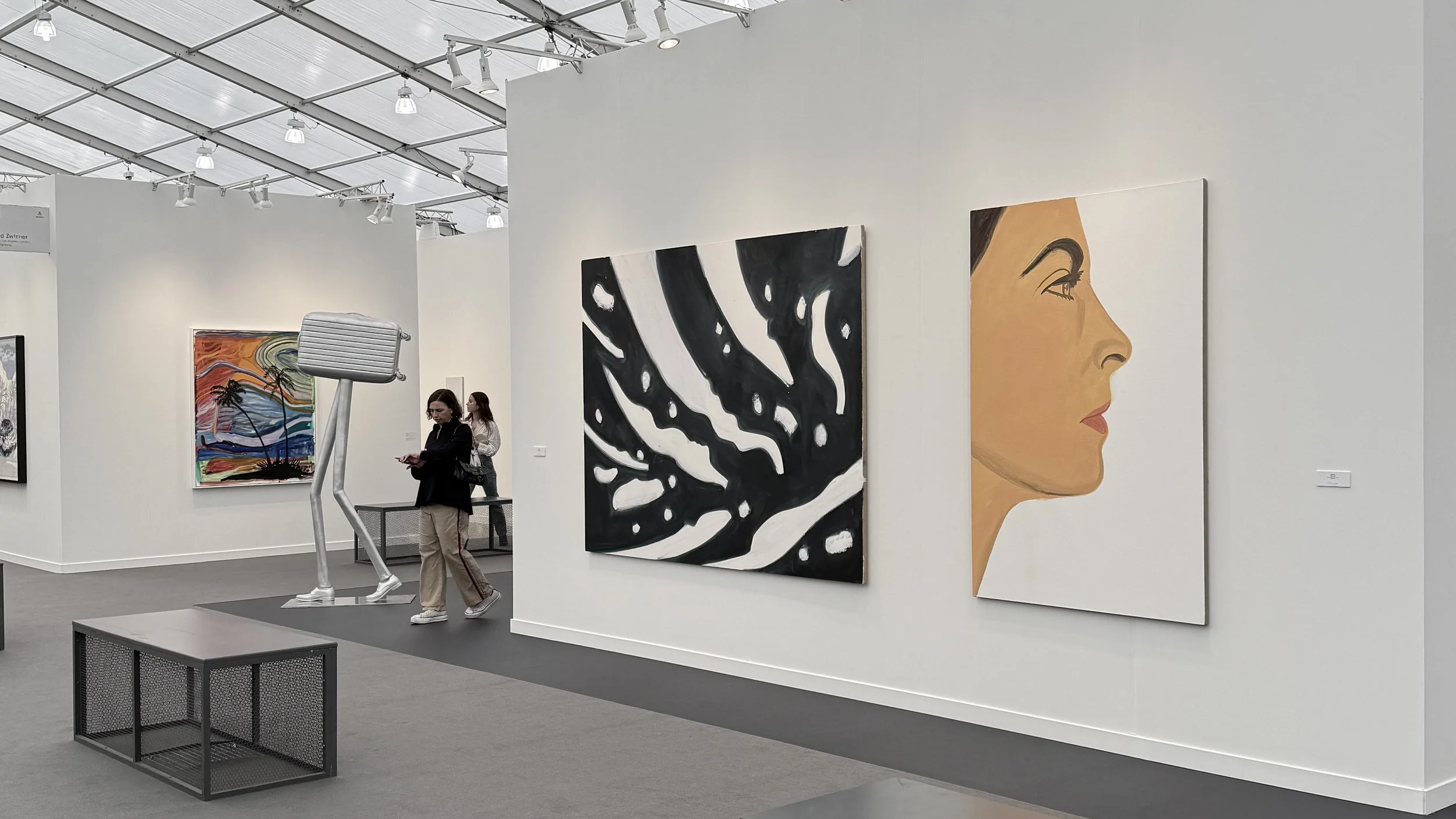
The most common mistake I see new collectors make is following a trend before developing their own point of view. They hear that an artist is important or that a market is rising, so they acquire a work without knowing whether they truly connect with it. Or if it is even a strong example of that artist’s practice.
Visit museums, galleries, fairs, and studios. See as much as you can. Taste develops through looking, comparing, and asking why one work stays with you while another does not.
Evaluate the work—not just the name
Once you recognize your interests and style, set an annual budget and a loose collecting direction.
Then research both the artist and the specific work.
Compare it with other works from the same period or series. Consider whether it represents the artist well, how the price fits the market, and whether the scale and care requirements suit your home. Remember that taxes, framing, shipping, insurance, and installation are part of the acquisition cost.
Institutional exhibitions, curatorial attention, gallery representation, and market sentiment all provide useful context. But a respected name does not make every available work the right one.
Slow the decision down
Whenever possible, see the work in person. One of my clients was 95% ready to buy a painting, but we waited a month for it to arrive before deciding. That final 5% mattered: scale, surface, color, and presence cannot always be understood through a phone screen.
Collectors sometimes mistake urgency for conviction. If the right work is unavailable, stay open rather than buying a weaker example simply to secure the artist’s name. A collection plan should give you direction, not tunnel vision.
Where financial value belongs
Financial considerations belong in collecting, but they should not control the decision. I think of financial value as perhaps 15 to 20% of the process. The larger questions are whether you love the work, whether it represents the artist well, and whether it fits your collection and life. No one can guarantee future market performance.
Investment should remain on the table, not at the head of it.
Build something that belongs to you
A collection develops through attention, comparison, and patience. The objective is not to own the names everyone recognizes. It is to build something with your point of view, something that only belongs to you.
Frequently Asked Questions
-
Contemporary art collections can begin at many price levels. Trace Out Art typically works with collectors planning an initial artwork acquisition budget of at least $20,000. This provides enough flexibility to evaluate meaningful opportunities based on artistic quality, market position and long-term collection fit. Collectors should also budget separately for taxes, shipping, framing, insurance and installation.
-
Collectors can acquire art through galleries, art fairs, auctions and private sales. Galleries provide access to an artist’s primary market and insight into the development of their practice. Auctions and private sales offer works already in circulation, including pieces that may no longer be available through galleries. The right source depends on the artist, the specific artwork and your long-term collection strategy.
-
Evaluate the specific work it is best to :
Compare it with works from the same period, series, scale and medium. Gallery representation, institutional exhibitions, auction history, condition, provenance and market demand can all provide useful context. A fair price should reflect both the artist’s broader market and the quality of the individual artwork.
-
An art advisor can be valuable when you are making a significant first acquisition, developing a long-term collection, navigating unfamiliar galleries or auctions, or placing art within a home. A good advisor helps you research artists, evaluate works, understand pricing and coordinate transactions while keeping each acquisition aligned with your larger collecting goals. The purpose is not to replace your taste, but to help you make decisions with greater clarity and confidence.

The Right Work, at the Right Time
Private Residence | Manhattan, New York
PROJECT TIMELINE: 6 weeks, from artwork sourcing to acquisition
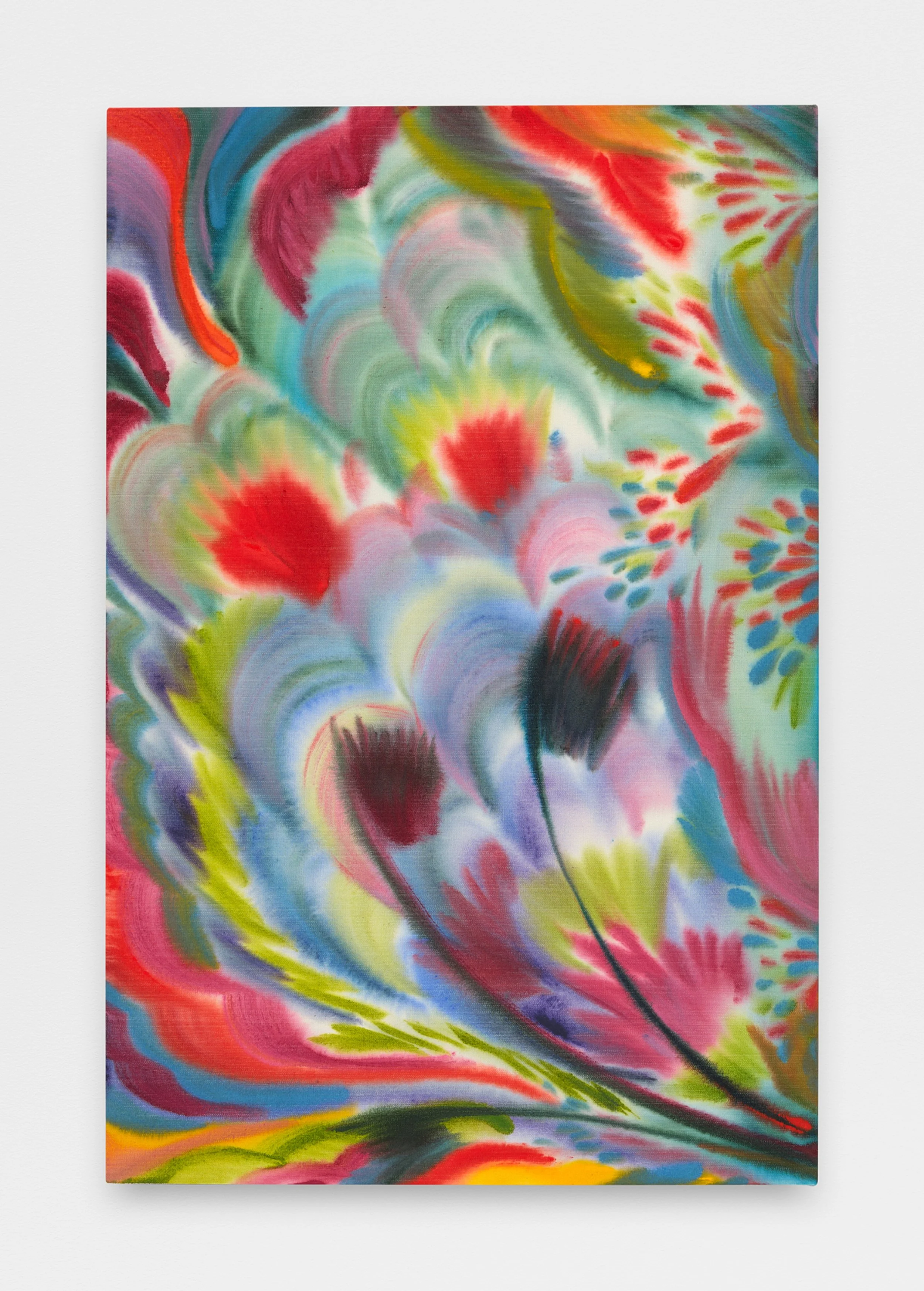
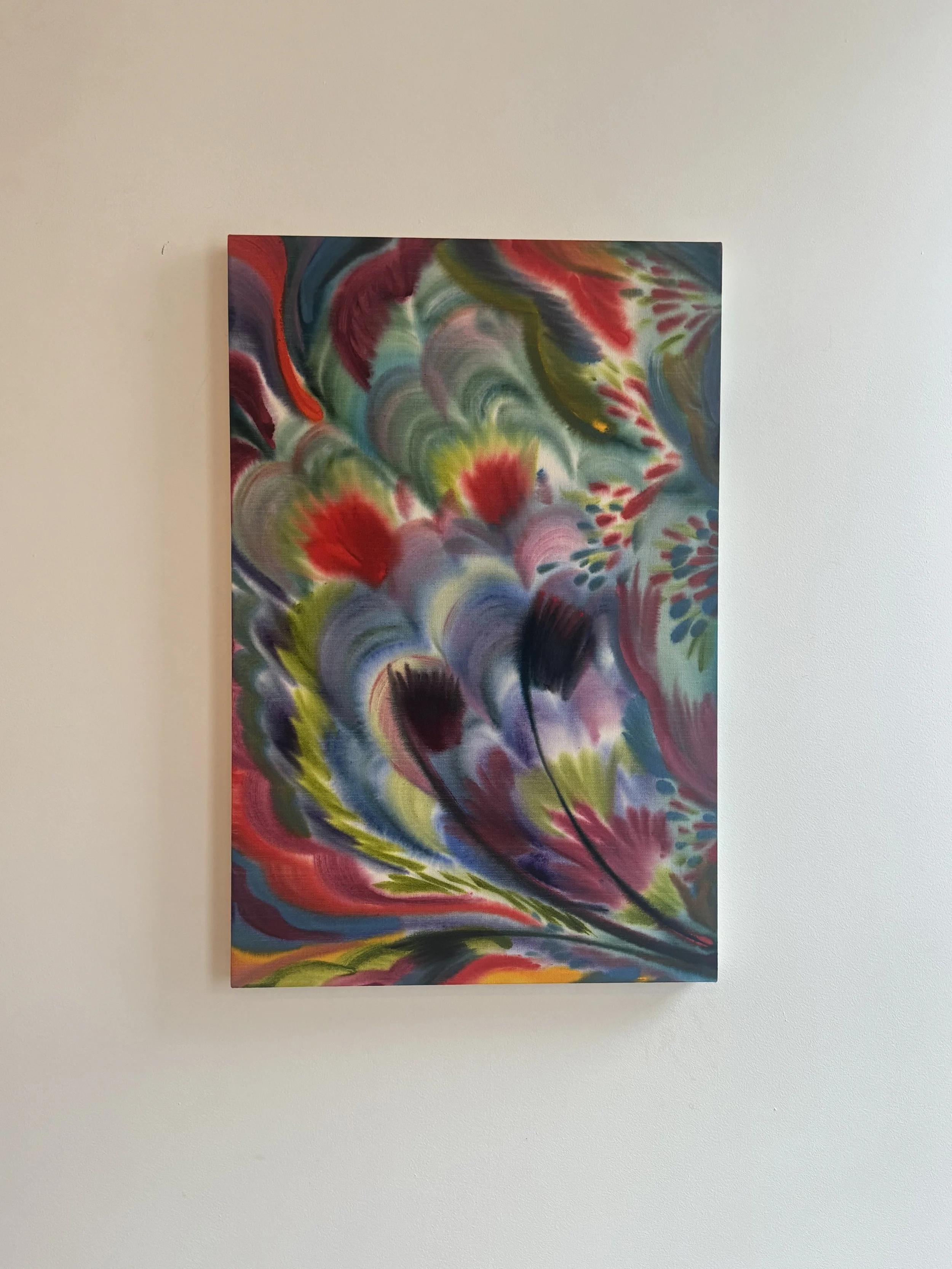
ARTIST: Sarah Blaustein
SCOPE: 270 Degree skyline view Living room Art Placement
A few weeks ago, during one of New York's 100°F (38°C) heat waves, I accompanied a client to view a painting we had been waiting over a month to see in person.
The project began shortly after the client moved into a new Manhattan apartment with sweeping 270-degree skyline views in May. The goal was clear: find a work that could anchor the living room and hold its own within such a remarkable space.
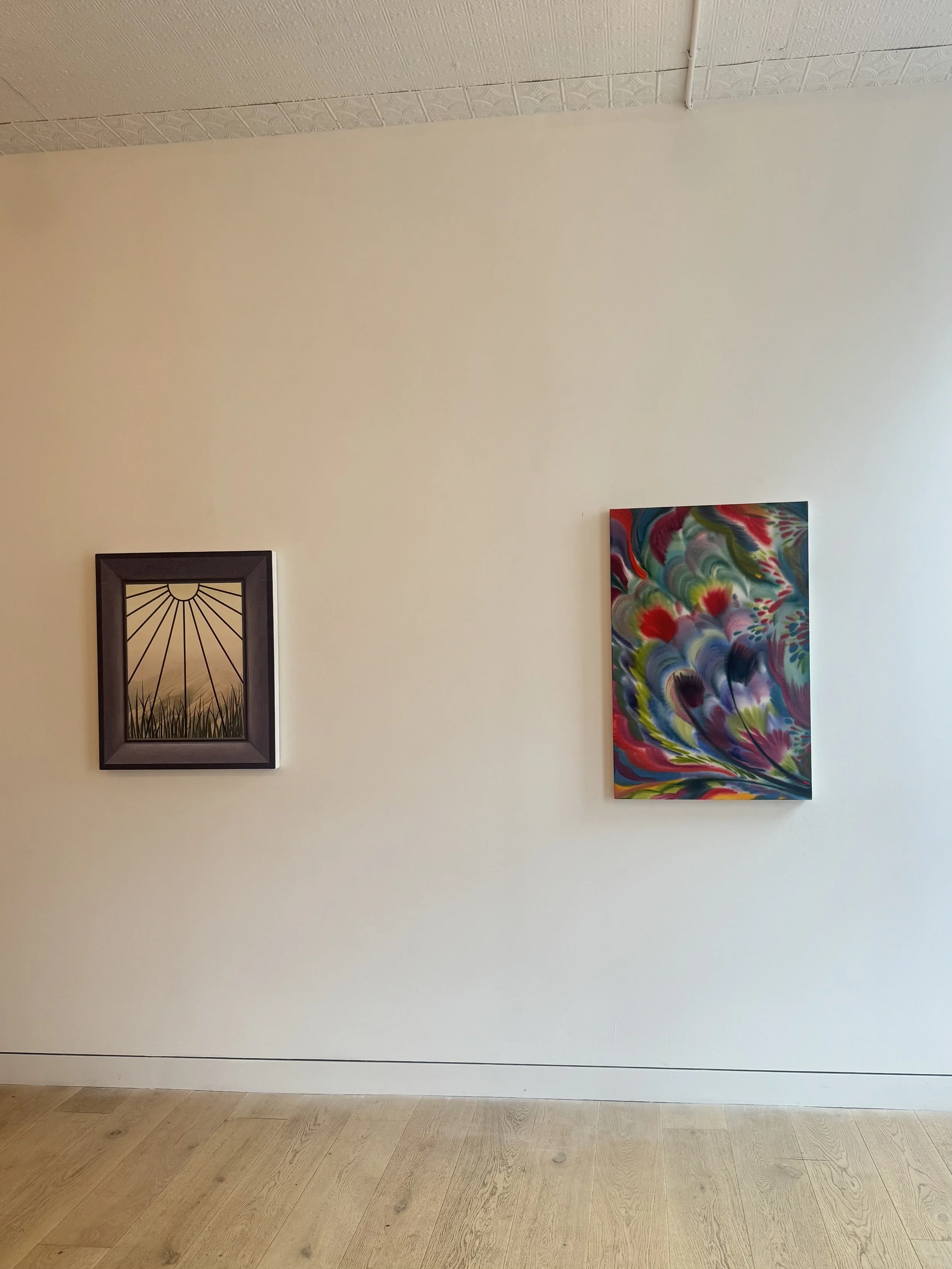
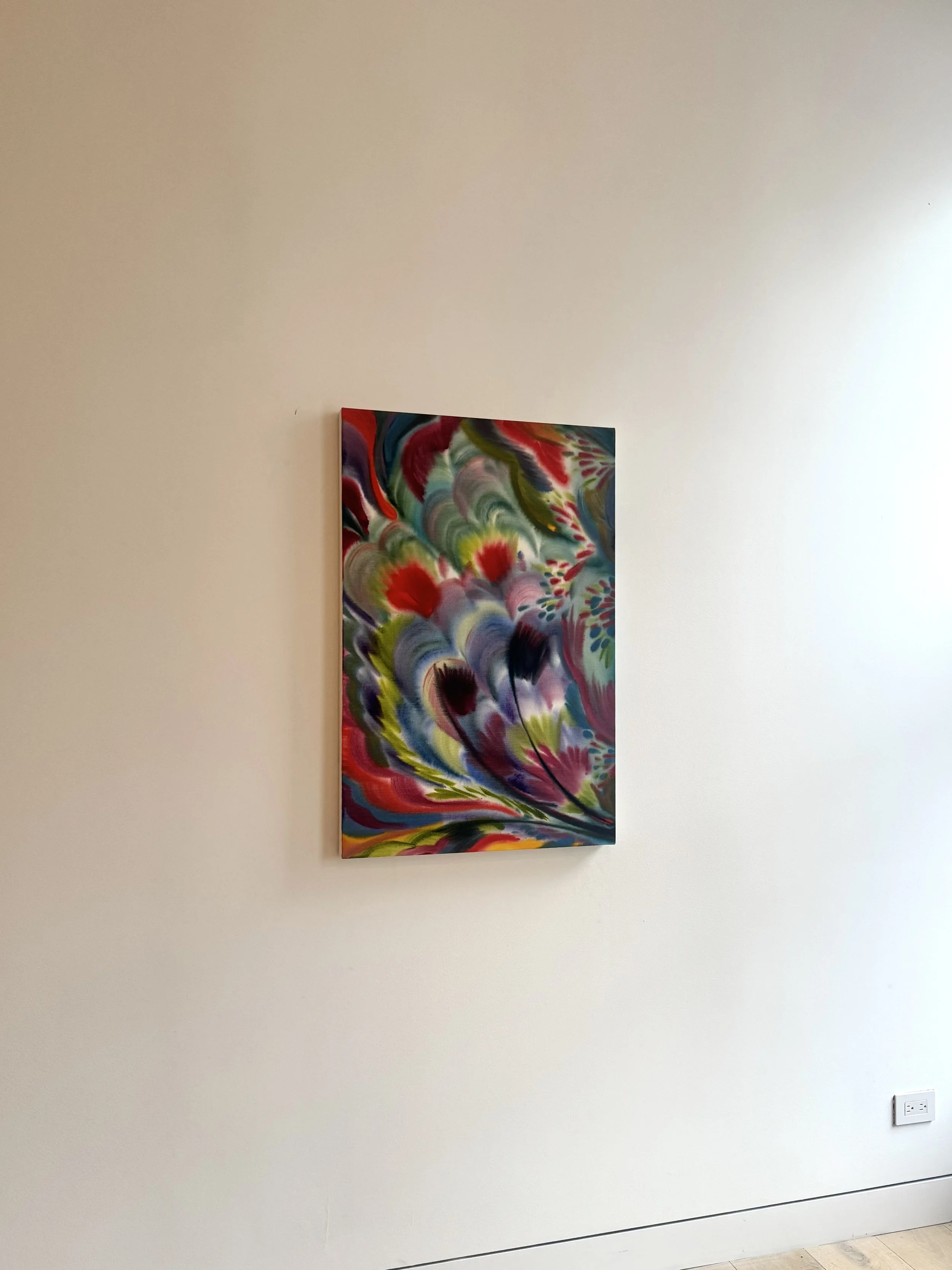
Private Residence | Manhattan, New York
PROJECT TIMELINE: 6 weeks, from artwork sourcing to acquisition
ARTIST: Sarah Blaustein
SCOPE: 270 Degree skyline view Living room Art Placement
A few weeks ago, during one of New York's 100°F (38°C) heat waves, I accompanied a client to view a painting we had been waiting over a month to see in person.
The project began shortly after the client moved into a new Manhattan apartment with sweeping 270-degree skyline views in May. The goal was clear: find a work that could anchor the living room and hold its own within such a remarkable space.
When we first saw the painting through photos, it was already incredibly compelling. But for a work of this scale and significance, the client wanted to experience it in person before making a final decision.
The gallery was exceptionally accommodating, arranging for the painting to be transported from the artist's studio in San Francisco to New York. Then came the waiting.
About a month later, we finally stood in front of the work.
The decision was almost immediate.
After seeing it in person, the client knew it was the one. The acquisition happened so naturally that by the time we walked out for coffee, we suddenly realized neither of us had taken a single photo with the painting.
Some moments simply happen that quickly.
What many people don't see is that viewing the artwork is actually only a small part of an art advisor's role—although it is certainly one of the most rewarding.
Most of the work happens behind the scenes: communicating with galleries, confirming availability, coordinating transportation, managing timelines, and following up on countless details throughout the acquisition process.
Many of my collectors are based overseas, which means we often make important acquisition decisions without ever standing in front of the artwork together. Those projects require even more conversation—discussing the work in depth, reviewing the collector's space, budget, and long-term collecting goals, so they can make confident decisions even from thousands of miles away.
Helping collectors find the work that truly belongs in their collection is never just about sourcing a painting. It's about building enough clarity and confidence that, when the right piece finally appears, the decision feels obvious.
Every successful placement reminds me that the weeks of coordination, patience, and preparation are always worth it.
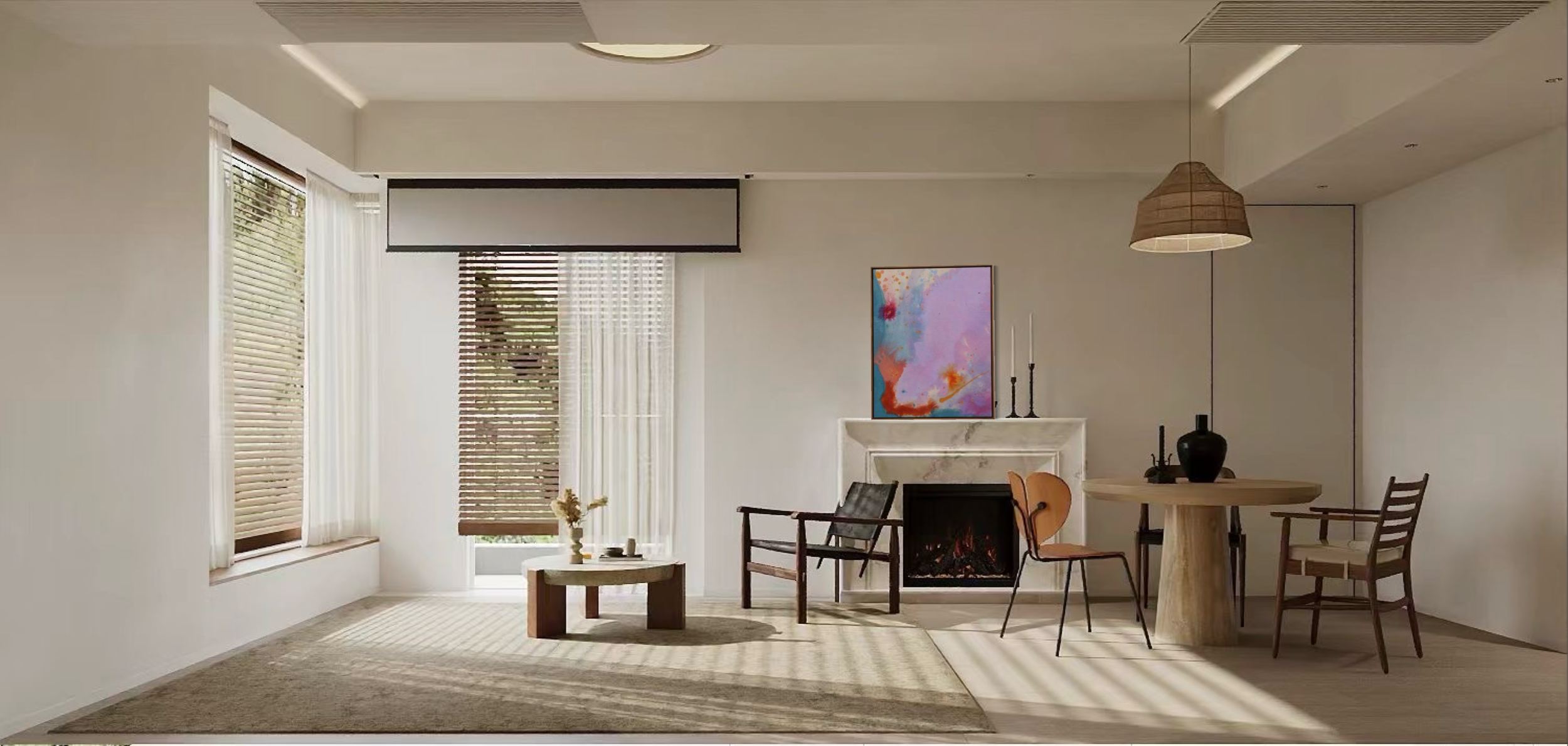
Living with Contemporary Art in Hong Kong
New Development Residence | Hong Kong
PROJECT TIMELINE: 6 Months
ARTISTS: Violeta Maya · Kim Taek Sang · Chantal Khoury
SCOPE: Full Residential Art Placement
Working closely with the client and interior designer, the collection was curated around the client's preference for contemporary abstract expressionism. Warm palettes of pink, orange, and violet were selected to create a calm, welcoming atmosphere while allowing each artwork to become part of the home rather than simply decorating it.
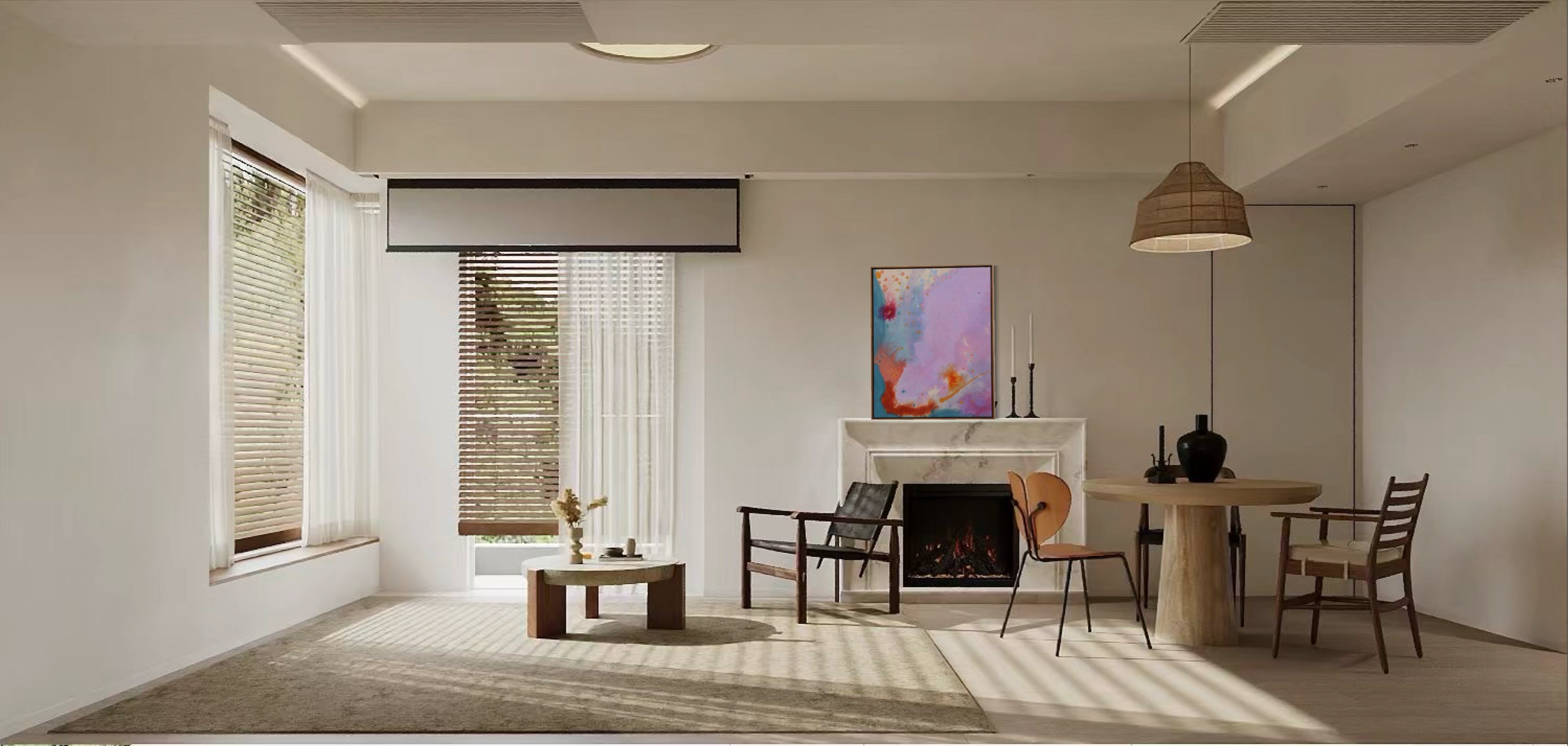
Violeta Maya as the center piece of the living room.
New Development Residence | Hong Kong
PROJECT TIMELINE: 6 Months
ARTISTS: Violeta Maya · Kim Taek Sang · Chantal Khoury
SCOPE: Full Residential Art Placement
Working closely with the client and interior designer, the collection was curated around the client's preference for contemporary abstract expressionism. Warm palettes of pink, orange, and violet were selected to create a calm, welcoming atmosphere while allowing each artwork to become part of the home rather than simply decorating it.
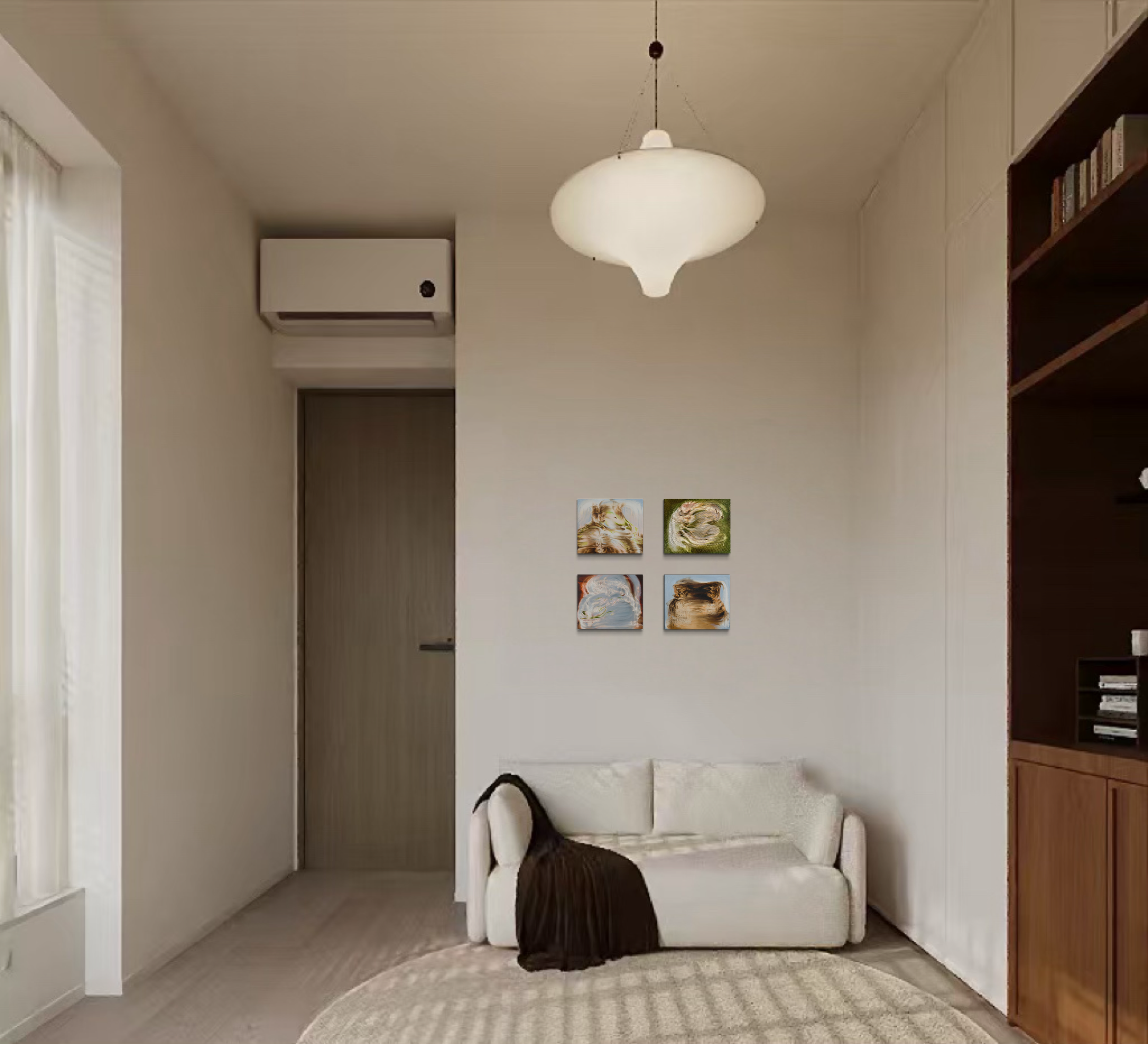
Chantal Khoury canvas works in home office.
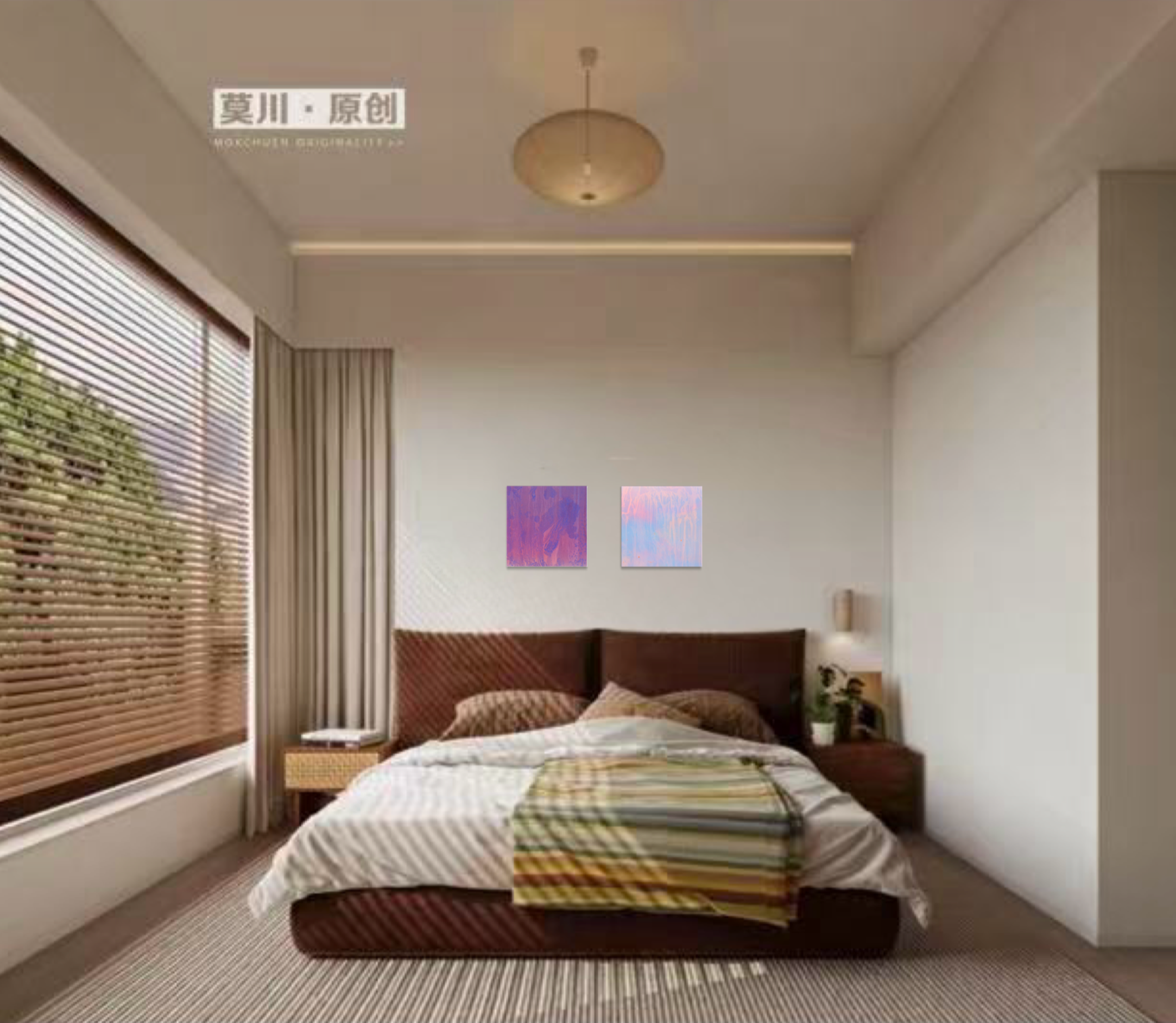
Kim Taek Sang in bedroom.

A Contemporary Art Collection for a Renovated Home
Old Apartment Renovation | Taoyuan, Taiwan
Project timeline: 2 months
ARTISTS: Vian Sora
SCOPE: Primary Bedroom
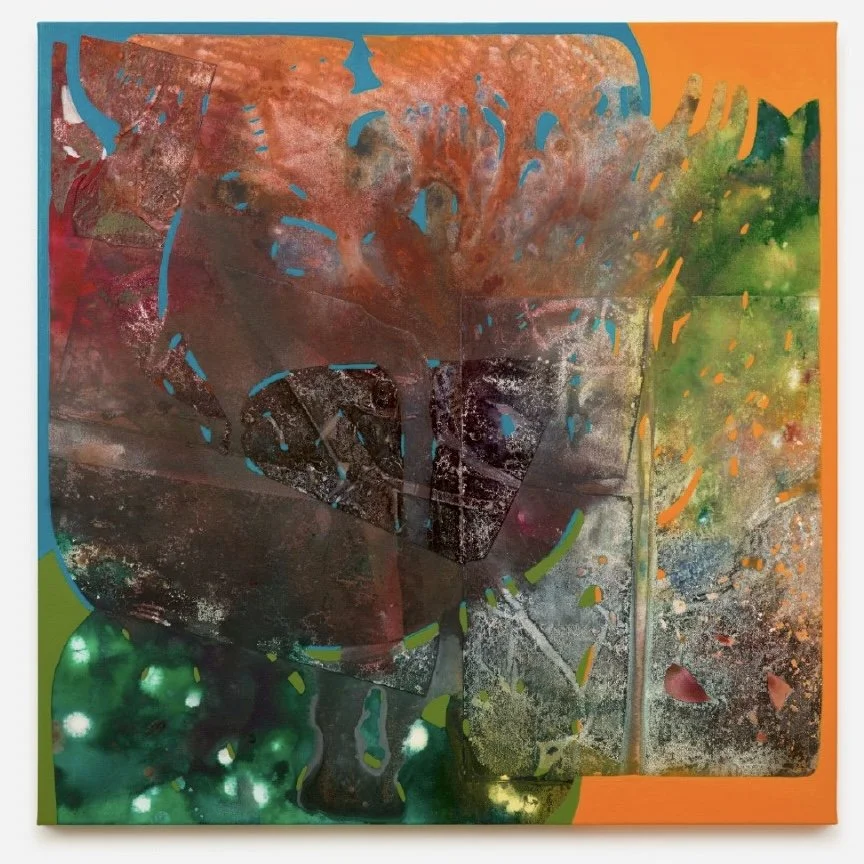
Working from the client's architectural drawings and 3D interior renderings, the project focused on sourcing a a contemporary artwork that balanced the room's atmosphere with the client's long-term collecting goals.
Given the client's preference for collecting with long-term cultural and financial value in mind, Vian Sora was selected for her growing institutional recognition, including traveling museum exhibitions across the United States. The acquired work was previously exhibited at the Asia Society Houston, adding an important layer of provenance to the collection.
Old Apartment Renovation | Taoyuan, Taiwan
Project timeline: 2 months
ARTISTS: Vian Sora
SCOPE: Primary Bedroom
Working from the client's architectural drawings and 3D interior renderings, the project focused on sourcing a a contemporary artwork that balanced the room's atmosphere with the client's long-term collecting goals.
Given the client's preference for collecting with long-term cultural and financial value in mind, Vian Sora was selected for her growing institutional recognition, including traveling museum exhibitions across the United States. The acquired work was previously exhibited at the Asia Society Houston, adding an important layer of provenance to the collection.

Julia Jo: Building Conviction Before the Market
JULIA JO
Private Collector | Shanghai, China
Year Acquired: 2024
Advised on the acquisition of Julia Jo prior to broader institutional recognition and market momentum.
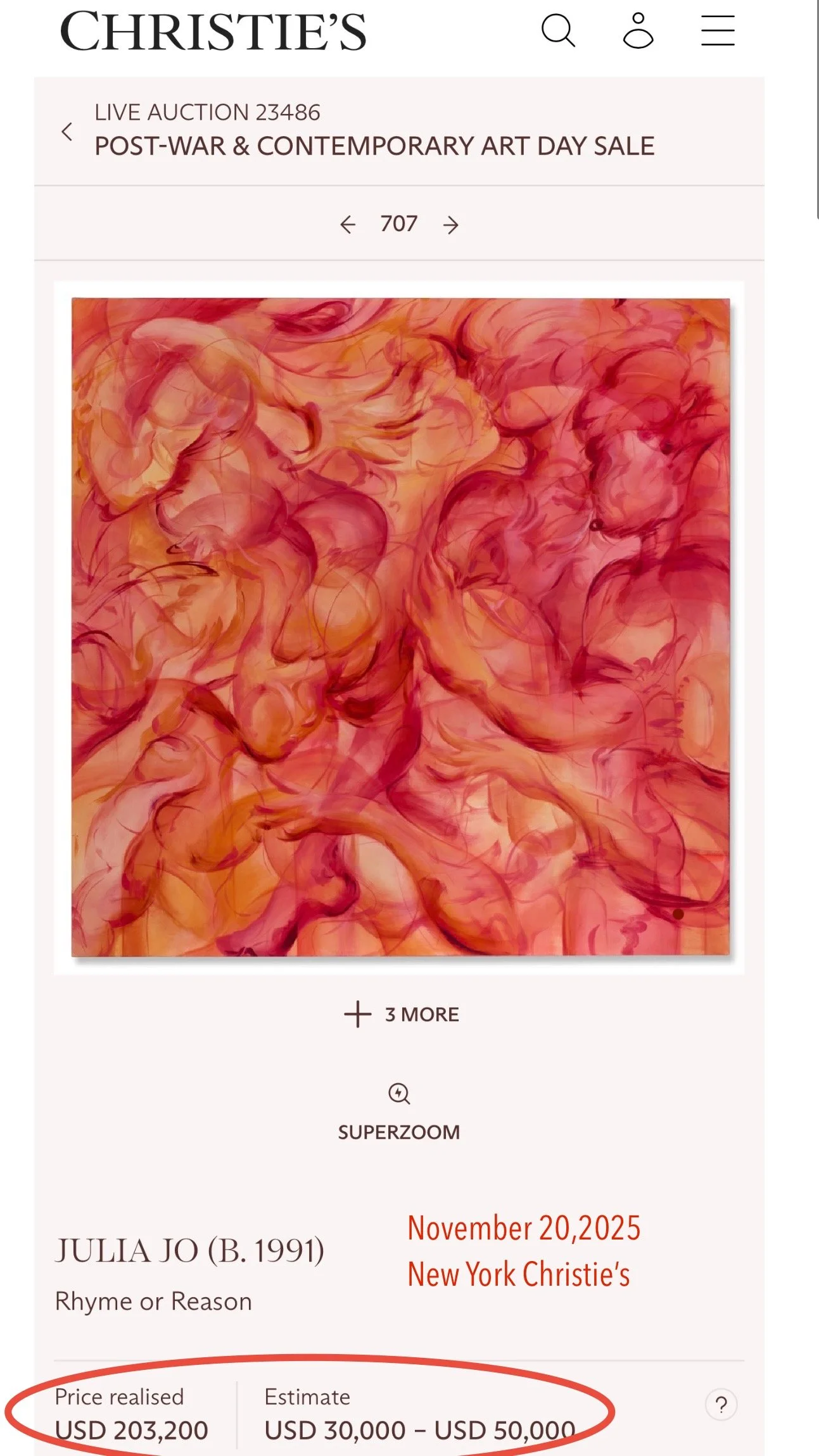
Comparable auction results for Julia Jo exceeded 20× the original acquisition price within 18 months.
Julia Jo
Collector in Shanghai, China
Year Acquired: September 2024
Advised on the acquisition of Julia Jo prior to broader institutional recognition and market momentum.
Comparable auction results for Julia Jo exceeded 10× the original acquisition price within 18 months.
Comparable auction result shown below.
Why I Recommended Julia Jo Before Her Breakout
I first came across Julia Jo's work around 2021 at one of New York's smaller art fairs. While I can't remember exactly which fair it was, I remember stopping at her booth immediately. Her paintings felt like Abstract Expressionism through a distinctly younger, contemporary lens. The work was still developing, but there was something unmistakably compelling about it. She quickly became an artist I continued to follow.
Over the next few years, I watched her career closely as she exhibited internationally and built momentum through Charles Moffett Gallery. With each exhibition, my conviction grew.
During that time, I introduced her work to several collectors. Many loved the paintings but hesitated. She was still young, the market was largely untested, and making that decision required trust before there was broad market validation.
In 2024, one of my collectors decided to move forward based on my recommendation. About eighteen months later, one of Julia Jo's paintings achieved an auction result of roughly ten times its original primary market price. Outcomes like this are exceptionally rare, and no advisor can promise investment returns, but they illustrate the value of recognizing an opportunity before it becomes obvious.
When I returned to her sold-out solo exhibition in 2026 with another collector, the market looked completely different. Prices had risen, demand had surged, and the opportunity that once required conviction had become consensus.
For me, this is what art advising is about. It's not about predicting the future or chasing trends. It's about spending years following artists, understanding their trajectory, and helping collectors make informed decisions before everyone else is paying attention.